Why Some Oncologists Specialise in Both Radiotherapy and Drug Treatments and Why It Matters
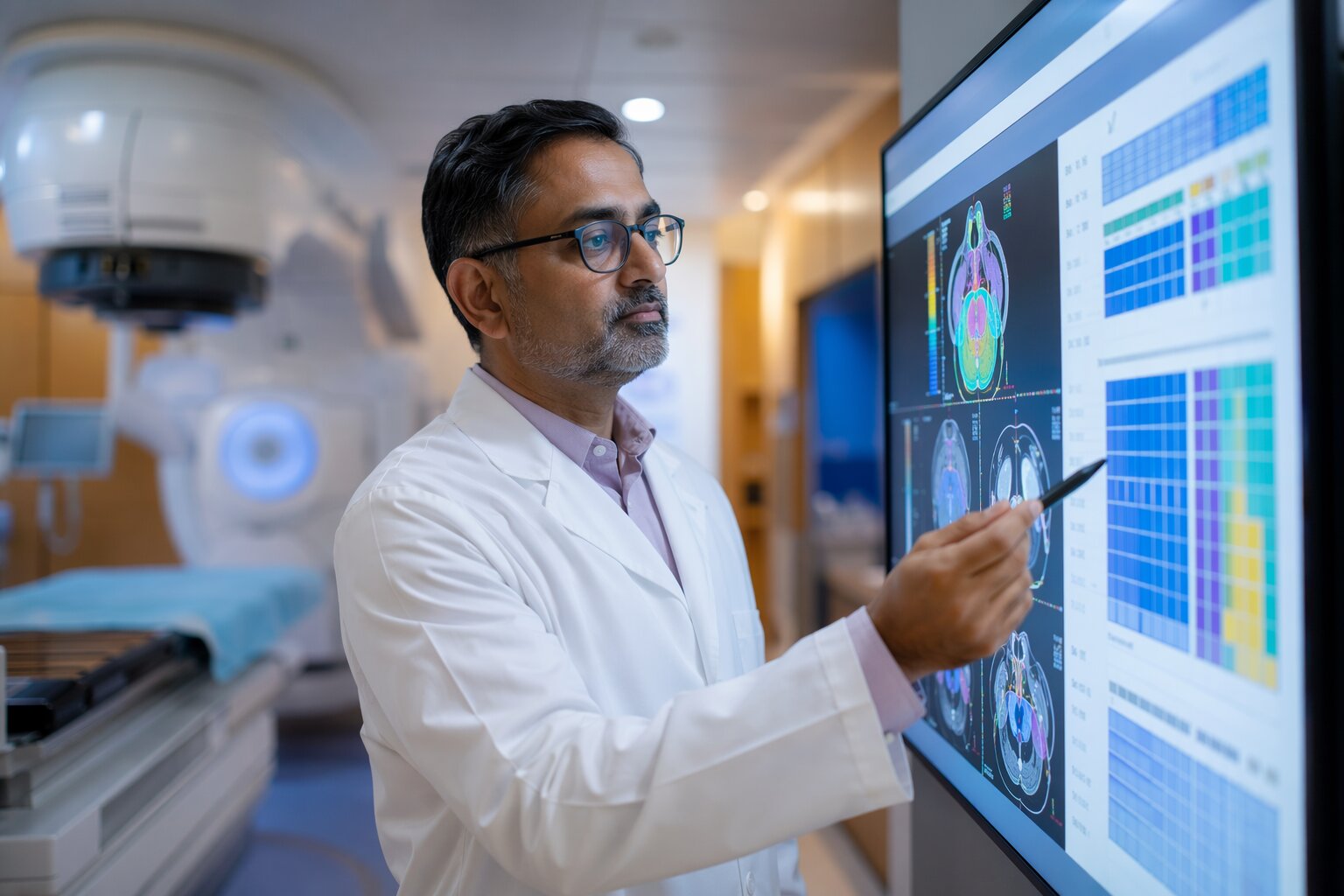
When one oncologist manages both your radiotherapy and drug treatments, your care can become more coordinated and less confusing. You’re not juggling separate plans or mixed messages about timing, side effects, or priorities. Instead, one specialist weighs up how each treatment affects the other and adjusts in real time. That might sound simple, but it can change your experience and your outcomes in ways you might not expect…
What It Means When One Oncologist Manages Chemo and Radiation
When one oncologist manages both your chemotherapy and radiation, they develop and oversee a single, integrated treatment plan so the medications and radiation are coordinated rather than handled separately. This includes matching the chemotherapy drugs, schedule, and doses with the radiation field, dose, and overall aim of treatment, whether the goal is to cure the cancer or to relieve symptoms. Specialists such as Dr. James Wilson, a private oncology consultant in London, may take this coordinated approach to help patients receive more streamlined and personalized cancer care.
The same oncologist can monitor both systemic effects (such as blood counts, infection risk, fatigue, and effects on organs like the liver or kidneys) and local effects in the area being treated with radiation (such as skin changes, swallowing problems, or bowel issues). Having one doctor oversee multiple aspects of treatment can also make it easier to track responses, identify side effects early, and adjust care when necessary.
Based on this combined view, they can adjust the timing, sequence, or doses of chemotherapy and radiation as needed. This integrated decision-making helps ensure that different parts of the treatment plan work together effectively while considering the patient’s overall health and goals.
How Radiation and Drug Treatments Work Together Against Cancer
Although radiation and drug treatments work in different ways, oncologists often combine them because they target cancer at both local and systemic levels.
Chemotherapy circulates through the bloodstream, affecting cancer cells throughout the body.
Radiation directs high‑energy beams at defined tumour sites, delivering a concentrated dose to a specific area.
Radiation can damage cancer cells’ DNA and impair their ability to repair this damage, which can make them more susceptible to chemotherapy.
In some cases, certain drugs are used specifically as radiosensitisers, meaning they increase tumour cells’ sensitivity to radiation.
Modern techniques such as intensity‑modulated radiation therapy (IMRT) and image‑guided radiation therapy (IGRT) can help limit the dose to surrounding healthy tissues, which is particularly important when treatment is combined.
Oncologists plan the timing, sequence, and dosing of both therapies based on tumour type, stage, and the patient’s overall health.
The aim is to improve tumour control and survival outcomes while keeping side effects within an acceptable range.
Patient Benefits: Fewer Side Effects and Better Cancer Control
By coordinating radiation and drug treatments in a single, integrated plan, your oncologist can often improve cancer control while reducing unnecessary side effects. For example, chemotherapy or radiosensitizing drugs may be scheduled so that tumor cells are more sensitive to radiation at specific times, while treatment breaks allow nearby healthy tissues to recover.
This approach can provide precise local control, radiation is directed at the main tumor, while systemic drug therapy targets cancer cells that may have spread elsewhere, helping lower the risk of recurrence or metastasis.
Careful scheduling is used to minimize periods when the side effects of different treatments overlap. Regular monitoring of symptoms and blood tests allows your care team to adjust doses or timing, which can help manage issues such as fatigue, skin changes, low blood counts, and digestive problems.
When Doctors Recommend Both Radiation and Drug Therapy
Your doctors may recommend using radiation and drug therapy together when they need to treat both the main tumor and cancer cells that may have spread but are too small to see on scans. In some cases, radiation is given before surgery to shrink a tumor and make it easier to remove, while drug therapy (such as chemotherapy, targeted therapy, or immunotherapy) helps destroy cancer cells that could persist or travel elsewhere in the body.
After surgery, combining radiation with drug therapy can lower the risk that remaining microscopic cancer cells will grow back, particularly when imaging or pathology reports show features linked with a higher chance of recurrence (for example, cancer in nearby lymph nodes, unclear surgical margins, or aggressive tumor characteristics).
Sometimes drugs are given at the same time as radiation (called concurrent therapy) because certain medications can make cancer cells more sensitive to radiation, improving the effectiveness of the dose. Your care team considers factors such as the type and subtype of cancer, its stage, location, prior treatments, and your overall health and preferences when recommending whether to use radiation, drug therapy, or both together.
How One Doctor Plans Your Chemo and Radiation Together
When an oncologist plans chemotherapy and radiation together, they create a coordinated strategy that addresses both the primary tumor and potential cancer cells elsewhere in the body. They determine whether chemotherapy is given:
- Before surgery (neoadjuvant) to shrink the tumor
- After surgery (adjuvant) to reduce the risk of recurrence
- At the same time as radiation (concurrent) to enhance the effect of radiation on tumor cells
Treatment schedules are organized so that chemotherapy cycles align with the daily radiation plan. Imaging studies and a planning or “simulation” session are used to define the exact treatment area and body position, sometimes using immobilization devices such as masks, molds, or small skin marks or tattoos.
In some cases, radiosensitizing chemotherapy drugs are selected because they make tumor cells more responsive to radiation. Throughout treatment, the team monitors side effects such as fatigue, skin irritation in the radiation field, nausea, and changes in blood counts. Based on these findings, they may adjust drug doses, radiation timing, or supportive care measures to maintain safety and effectiveness.
What to Expect Day-to-Day With Chemo and Radiation
Although each treatment plan is individualized, day-to-day life on combined chemotherapy and radiation usually follows a predictable routine. Most people receive short, daily visits for external-beam radiation over several weeks, along with chemotherapy given at regular intervals through an IV or as oral pills in repeating cycles.
Radiation sessions are brief. Staff position you on the treatment table, deliver the radiation, and you're typically able to leave shortly afterward. Chemotherapy visits are longer and may involve time for preparation, the infusion itself, and observation afterward to monitor for immediate side effects. Between chemotherapy cycles, you have recovery days, while radiation often continues on its daily schedule.
Common effects over time can include fatigue, nausea, and skin changes in the area being treated with radiation. These symptoms often develop gradually over the course of treatment. Regular clinic visits and blood tests are used to monitor your blood counts, assess how you're tolerating treatment, and adjust medications to help manage side effects as needed.
Key Questions to Ask an Oncologist Who Offers Both
As you and your care team plan daily chemotherapy and radiation, it's useful to understand how both treatments will be coordinated.
Ask how the oncologist will schedule chemotherapy cycles in relation to daily external beam radiotherapy: whether they'll be given at the same time (concurrent) or one after the other (sequential), and the clinical reasons for that approach. Clarify whether the chemotherapy is primarily intended to sensitize the tumor to radiation, to treat potential microscopic disease elsewhere in the body, or both, and how planned breaks or recovery periods factor into the schedule.
Request specific information about the type of radiation planning being used, such as IMRT (intensity-modulated radiation therapy) and IGRT (image-guided radiation therapy). Ask how these techniques will help protect nearby organs while achieving the intended dose and fractionation (dose per treatment and total number of treatments).
Ask about potential overlapping side effects from chemotherapy and radiation, what clinical or laboratory findings might lead to dose reductions or treatment delays, and how imaging studies, physical exams, and any relevant tumor markers will be used to monitor response and adjust the treatment plan if needed.
How This Combined Care Model Could Change Cancer Treatment
Instead of managing radiation therapy and chemotherapy as separate treatment courses that only intersect on a schedule, a combined-care model allows a single oncologist to design them as one coordinated plan. This makes it easier to time chemotherapy so that it functions as a radiosensitizer, potentially increasing the effectiveness of radiation-induced tumor DNA damage.
A unified approach can also improve how neoadjuvant (pre-surgery) and adjuvant (post-surgery) treatments are sequenced, with one specialist weighing the need for local tumor control against the need for systemic disease management. Because the same clinician is familiar with both site-specific radiation toxicity and the systemic effects of chemotherapy, they can more effectively stagger treatment cycles, adjust IMRT/IGRT plans, limit overlapping toxicities, standardize follow-up protocols, and reduce delays that may occur when care is fragmented among multiple providers.
Conclusion
When one oncologist manages both your chemo and radiation, your care becomes more coordinated, personal, and efficient. You’re not just juggling appointments—you’re following one clear, integrated plan. You benefit from better timing of treatments, closer watching for side effects, and faster adjustments when something changes. As more centers adopt this combined model, you’ll likely see cancer care that feels less fragmented, more focused, and ultimately, better aligned with your life and goals.